





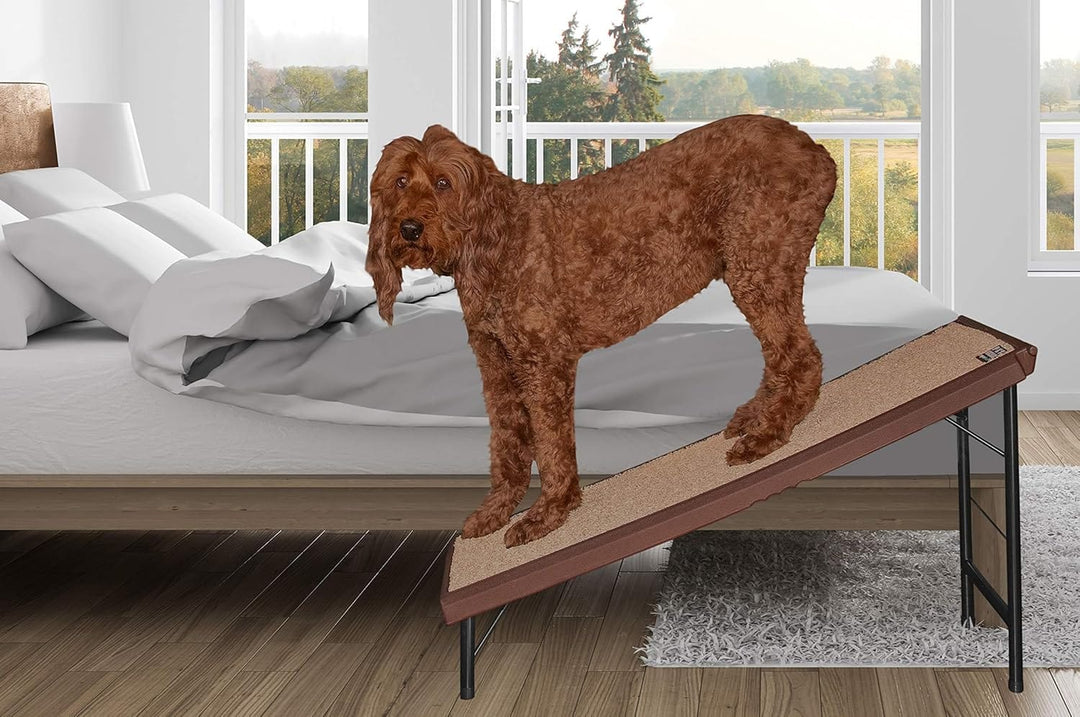
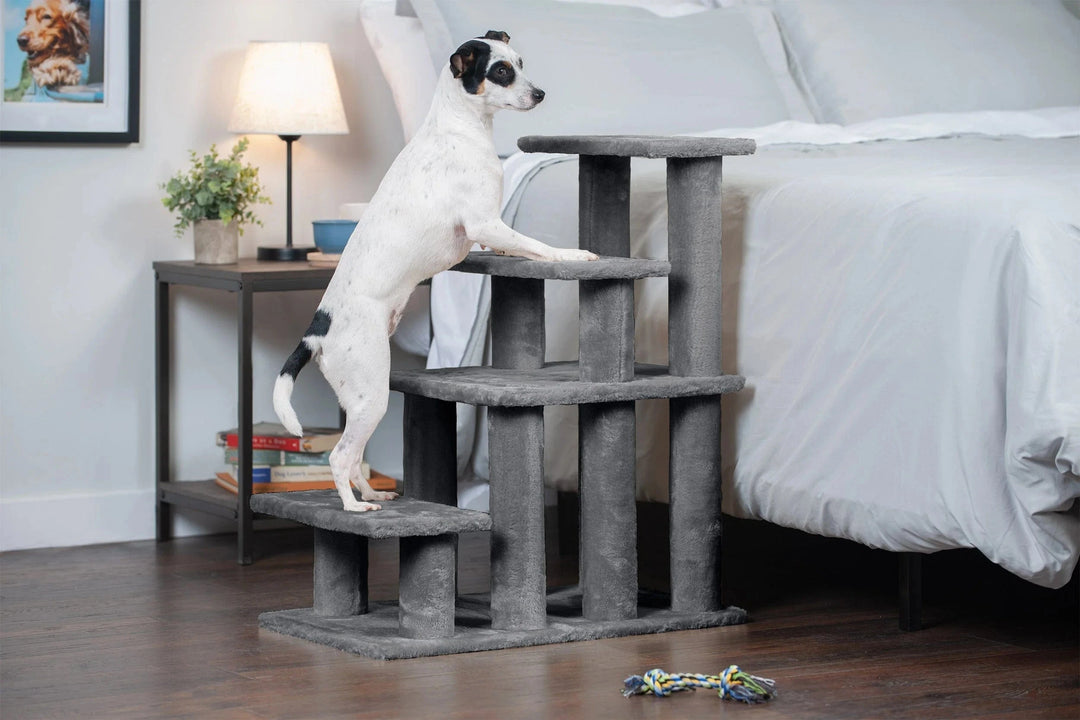

benefits of Dog Stairs and Ramps
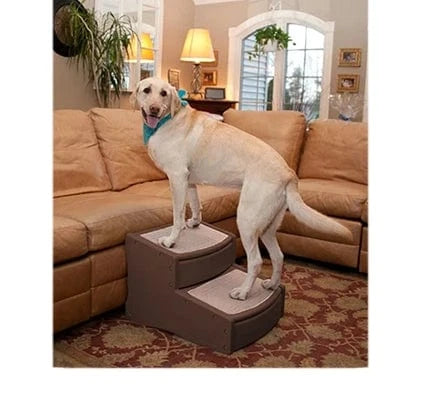
Pet stairs protect dog's bones by preventing the impact when jumping up and down from furniture. They allow smaller breeds, seniors, and dogs with mobility concerns to access beds and couches.
Dog Stairs Advantages
Joint and Bone Protection: Jumping repeatedly from high surfaces puts strain on joints, hips, and spines, which can lead to early arthritis.
Short-legged or long-back dogs such as Dachshunds, Bassett Hounds and Corgis, who are prone to back issues can benefit from pet stairs to avoid potential strain or injury from jumping.
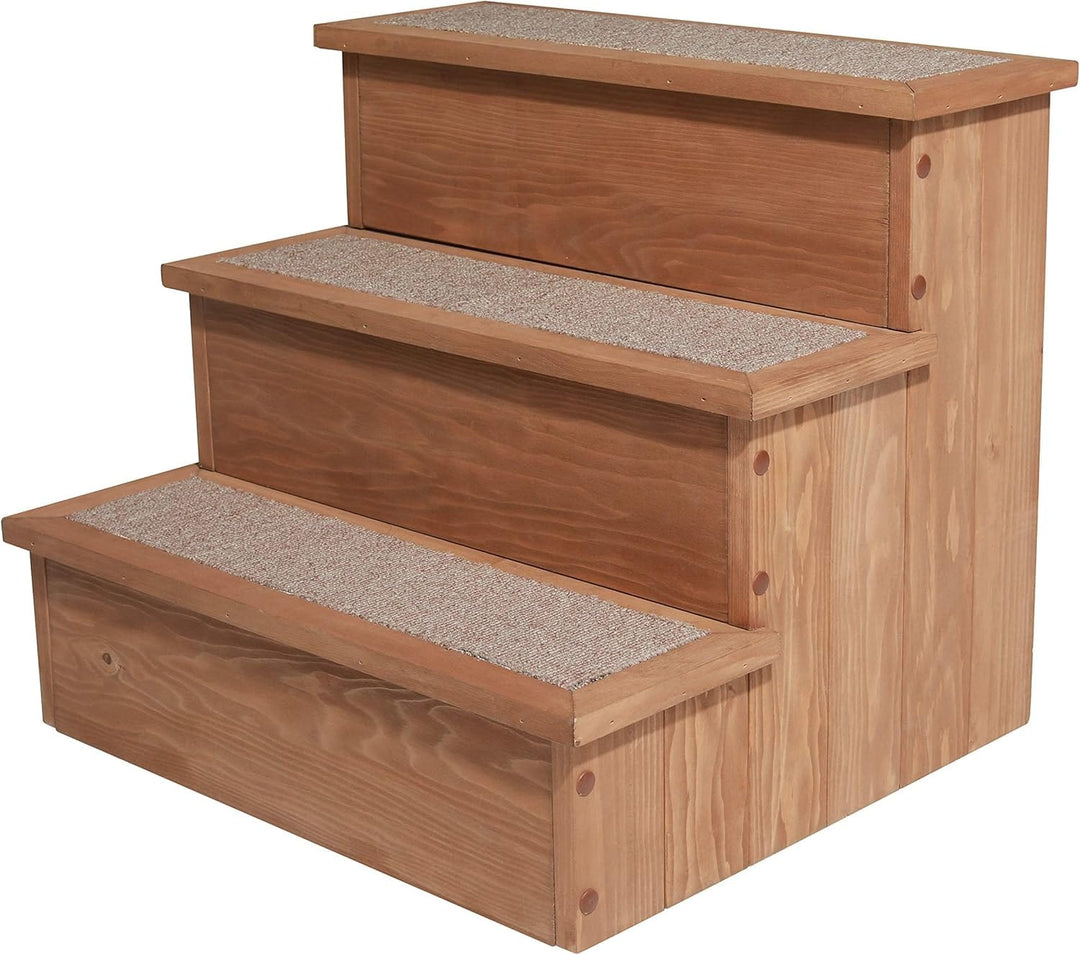
Stairs require less floor space than pet ramps. Stairs typically fits well alongside furniture.
Are Dog Ramps and Stairs Beneficial to Dogs?
While stairs and ramps are most commonly used to make your home more accessible for senior dogs with mobility issues, there are other considerations too.
Arthritic Dogs and dogs recovering from injuries, surgeries.
Some pet experts, recommend using dog ramps or stairs to reduce joint pain and strain caused by jumping on and off sofas, beds, car seats etc. A low-impact method of accessing sofas or bed reduces the risk of spine aggravation.
Small Breeds
Consider using dog stairs if your toy breed has to take a running leap to settle on the sofa. Jumping up and down from these heights places stress on the joints and increases the chance of injury.
Large Breeds
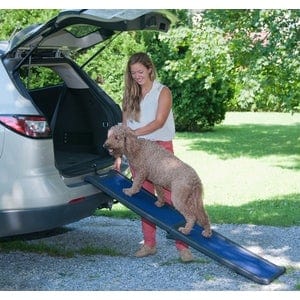
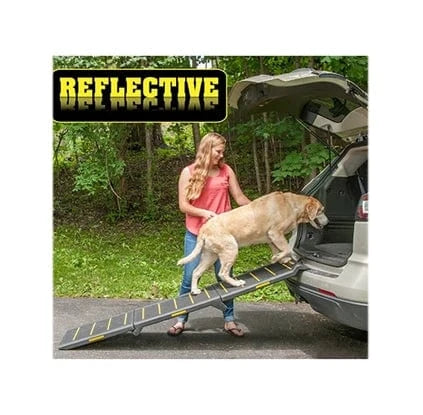
It might be time to invest in a dog ramp when your large breed dog can’t hop into the back seat or the trunk of your car anymore. A ramp prevents you from injuring yourself or hurting your dog by picking them up awkwardly.
Pups
assist ungainly puppies and reduce a change of injuring themselves. Still-developing, soft bones are more prone to damage, even just from the repeated strain of jumping down from heights.
How to select Dog Stairs or Ramps
Aesthetic: Plastic ramps aren’t as attractive as home dog stairs and pet stairs take up less room
Width: Pick dog stairs or ramps that comfortably accommodate your pet’s size. If the stairs are too narrow, your dog could lose confidence and risk falling off the side.
Strength: Check the weight limit for dog stairs or ramp. You don’t want a ramp incapable of supporting your giant breed dog.
How to Choose Between Dog Ramps and Stairs?
Space: Dog ramps take up less space when folded, but if you plan to have something pushed up against your sofa or bed all the time, you may want to opt for dog stairs that take up less floor room
Portability: Dog ramps are easier to fold down, making them the better choice if you want to use them in your car.
A ramp compared to dog stairs, allows you to start familiarity at a low angle. Then, increase the angle as your dog becomes more comfortable.
Training to use Dog Stairs and Ramps
If you have a dog that’s fearful of using new things, they may adjust better to ramps than stairs. Sloping ramps are also gentler on sore joints.
Some dogs need help getting comfortable using stairs or ramps. Be sure to let your dog sniff and explore the ramp or stairs before expecting them to use it.
Helpful tips: place ramps or stairs where there is a barrier on at least one side to help guide them and prevent falling or leaping off prematurely. Ensure the pet ramp or stairs are on a stable surface.
Avoid creating negative associations with the dog ramp or stairs. Don’t force your dog up or down or punish them if they aren’t comfortable going on them.
Use toys or treats to lure the dog up the ramp or stairs and create a positive association with the new equipment.
If your dog is feeling uncomfortable, start with a few steps at a time rather than trying to get them to reach the top immediately.